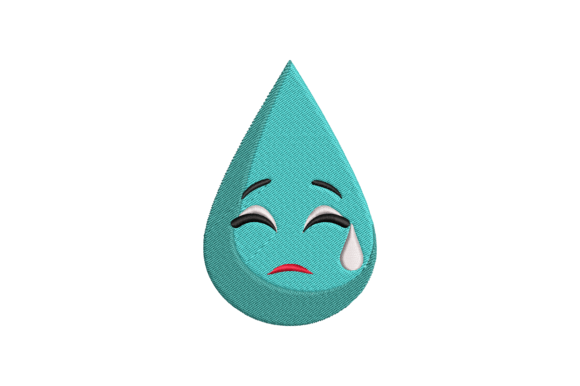
Drop of Water: A Designer's Real-World Review
As a designer who has spent years navigating the delicate balance between digital files and physical thread, I approach every new machine embroidery design with a critical eye. When I first opened the file for Drop of Water, I wasn't just looking at a shape; I was visualizing how this specific motif would translate onto the textured canvas of a tote bag or the soft fleece of a baby blanket. In the world of embroidery, simplicity often carries the most weight, but it also demands precision. This review breaks down how Drop of Water performs in real project scenarios, helping you decide if it belongs in your next handmade product line.
The First Impression: Elegance in Simplicity
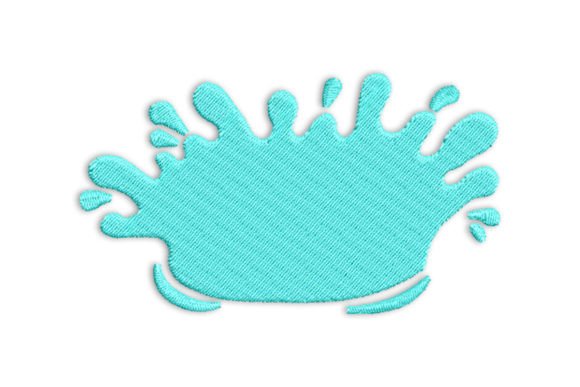
At its core, Drop of Water is a study in fluid geometry. Unlike complex floral arrangements that can get lost on busy fabrics, this design relies on clean curves and a singular focal point. The description promises to "elevate any fabric," and after reviewing the stitch path logic, I agree, provided you respect the scale. The mood it creates is one of calm and freshness, making it an excellent candidate for nursery decor, spa-themed homeware, or minimalist custom apparel.
Visually, the design leans heavily on the interplay between satin stitch and fill stitch. The outer edge likely utilizes satin stitching to define the droplet's silhouette, giving it a glossy, reflective quality that mimics actual water. Inside, the fill stitch density determines whether the drop looks solid or airy. For a professional finish, the transition between these stitch types must be seamless. If the stitch density is too high, the fabric may pucker; too low, and the background color will bleed through, ruining the illusion of a clear drop.
Real-Life Application: From Tote Bags to Baby Items
To truly understand the value of Drop of Water, let's imagine a specific scenario. You are running a small craft business and need a signature item for your upcoming holiday collection. You decide to create a set of organic cotton kitchen towels. You want something subtle that doesn't scream "gift" but feels premium. Placing Drop of Water in the bottom corner of the towel, perhaps in a gradient of blues or a monochromatic teal, instantly elevates the item from a generic utility cloth to a boutique piece.
In another context, consider baby embroidery. Parents love soft, non-threatening motifs. A tiny Drop of Water on a onesie sleeve or a hooded towel is adorable without being overwhelming. It fits perfectly into a "rainy day" or "ocean" themed nursery. However, because babies wear their clothes through frequent washes, the durability of the embroidered patch effect becomes crucial. The design must hold up without fraying at the edges. This is where the choice of stabilizer becomes non-negotiable. Using a cut-away stabilizer rather than tear-away ensures the stitches remain flexible and intact over time.
For apparel decorators working on sweatshirts, this design offers a versatile branding opportunity. Imagine a streetwear brand using Drop of Water as a small chest logo. On a dark heather grey sweatshirt, a white or metallic silver thread version of this design would pop beautifully. The contrast highlights the curve of the drop, creating a sleek, modern look that appeals to younger demographics. It serves as a perfect example of how a simple Shapes category item can drive commercial embroidery sales when paired with the right fabric and thread colors.
Navigating Challenges: Fabric and Hoop Considerations
While Drop of Water is versatile, it is not immune to the common pitfalls of machine embroidery. One area requiring careful attention is the use of stretchy fabrics like jersey knit or spandex blends. Because the design features smooth curves, any tension issues in the hoop can distort the shape, turning a teardrop into a jagged blob. Always test the design on a scrap piece of the exact fabric you intend to use. Check the hoop size compatibility; if the design is large, ensure your hoop provides enough support around the perimeter to prevent shifting during the stitching process.
Texture is another factor. On heavy denim or thick canvas, the design stands out well. However, on highly textured fabrics like boucle or linen, the fine details of the drop might get lost in the weave. In such cases, increasing the stitch count slightly or using a thicker thread can help maintain visibility. Conversely, on very thin fabrics like chiffon or silk, the risk of puckering is high. Here, a water-soluble stabilizer placed on top of the fabric (a "topper") can help guide the needle and keep the stitches flat, preserving the elegance of the drop.
Curved surfaces present their own challenge. If you plan to embroider Drop of Water on a cap or a hat brim, the curvature can cause the needle to strike the surface at odd angles. This often results in skipped stitches or broken threads. Ensure your machine is equipped with a curved arm or a specialized cap frame. Even then, the design should be scaled appropriately; a design that looks great on a flat pillow cover might struggle on the tight curve of a baseball cap.
Strategic Design Notes for Entrepreneurs
For the Etsy seller or small shop owner looking to integrate Drop of Water into their inventory, consistency is key. Before launching a product line, create printable mockups to visualize how the design sits on different items. Test the design in black and white first to assess the contrast against various background colors. Does the drop disappear on a navy blue shirt? Would it look better in gold thread on black velvet?
Always verify the licensing terms of the digital embroidery file. While many designs allow for personal use, selling finished goods often requires a commercial license. Ensure you have the right to sell items featuring Drop of Water to avoid legal complications down the road. Additionally, check the file format compatibility with your specific embroidery machine. Whether you use PES, DST, or XXX formats, a corrupted or incompatible file can ruin hours of work.
Finally, consider the emotional resonance of the design. Drop of Water isn't just a shape; it represents purity, life, and renewal. Marketing your products with this narrative can enhance buyer engagement. A personalized gift featuring this motif tells a story of care and thoughtfulness. Whether it's a wedding favor, a memorial keepsake, or a seasonal decoration, the design adds a layer of meaning that generic patterns cannot match.
Final Verdict: A Versatile Asset for Your Toolkit
In conclusion, Drop of Water is a strong contender for any serious embroidery project. Its ability to adapt to various contexts—from tote bag design to holiday embroidery—makes it a valuable addition to your library of design assets. However, its success relies heavily on your execution. By paying attention to thread colors, fabric texture, and stabilizer choice, you can transform this simple shape into a standout feature of your finished product.
As you prepare your next batch of personalized gifts or small shop merchandise, remember that the best embroidery is invisible in its mechanics but visible in its impact. Drop of Water offers that potential. Just take the time to test, refine, and trust your instincts. With the right approach, this design will not only elevate your fabric but also strengthen your reputation as a skilled and thoughtful creator.