Gingerbread Boy: A Designer's Review for Holiday Gifts
As an embroidery designer who has spent years curating collections for small business owners and Etsy sellers, I know that the difference between a good design and a bestseller often lies in the emotional connection it creates. When I first opened the Gingerbread Boy file to test it for my upcoming holiday catalog, I was immediately struck by its festive charm. This is not just another cookie motif; it is a character designed to bring warmth and nostalgia to your personalized gift products.
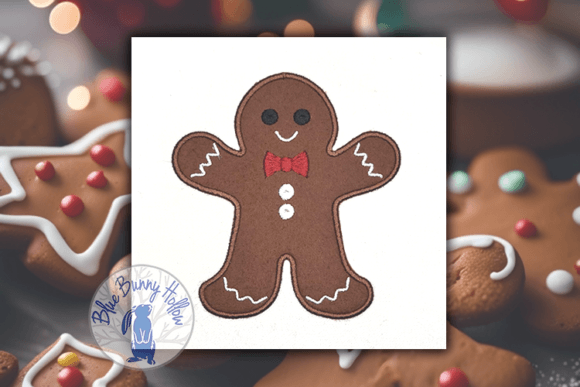
The design features a delightful applique style with charming buttons and a dapper tie, instantly evoking the cozy atmosphere of holiday baking. For anyone looking to elevate their Christmas collection, this machine embroidery design offers a perfect blend of playful whimsy and classic seasonal appeal. In this review, I will walk you through how I tested this design on various substrates, where it shines as a finished product, and what practical considerations you need to keep in mind before offering it to your customers.
First Impressions: Mood, Charm, and Detail
The moment the needle hit the fabric, the personality of the Gingerbread Boy became evident. The mood is undeniably sweet and inviting, capturing the essence of a handmade product without requiring hours of hand-stitching. The dapper tie adds a touch of elegance that prevents the design from feeling too childish, making it versatile enough for both nursery decor and sophisticated kitchen linens.
What stands out most is the balance of detail. The buttons are rendered with precision, creating a focal point that draws the eye, while the overall silhouette remains clean and recognizable even at smaller scales. This level of detail suggests high quality, which is crucial for building customer trust in your brand. Whether you are selling a custom embroidery project or a ready-made item, the visual weight of the design communicates value immediately.
Ideal Applications for Your Small Shop Product Line
When planning my inventory for the season, I focused on how the Gingerbread Boy could be adapted for different markets. Its versatility makes it a strong contender for several key categories within the embroidery niche.
- Baby Embroidery and Nursery Decor: This design is perfect for baby blankets and onesies. The soft, rounded features of the gingerbread figure feel gentle and safe, appealing to parents looking for meaningful keepsakes. A blanket embroidered with this character becomes an instant heirloom, suitable for a newborn photography session or a Christening gift.
- Kitchen Textiles: Imagine this design on a high-quality embroidered towel or a chef's apron. It fits naturally into the theme of holiday baking. For a wedding gift, a set of towels featuring the Gingerbread Boy can serve as a charming "just married" present that celebrates the couple's new life together.
- Pillow Covers and Home Accents: As a pillow cover accent, the design adds a pop of seasonal color to living spaces. It works beautifully on neutral fabrics like cream or oatmeal, allowing the reds, greens, and browns of the thread colors to stand out.
- Custom Tote Bags: For the eco-conscious shopper, a tote bag with this applique design makes a great craft fair product. It transforms a simple utility item into a statement piece that carries holiday cheer wherever it goes.
Navigating Fabric Challenges and Technical Considerations
While the Gingerbread Boy is robust, experienced designers know that every digital embroidery file requires careful handling depending on the substrate. During my testing phase, I identified specific areas where caution is necessary to ensure the finished product looks professional.
Fabric Texture and Stretch
When working with thick towels or textured fabrics, the stitch density of the applique elements must be evaluated. Thick loops can sometimes cause the backing to show through or make the edges of the applique uneven. I recommend using a heavy-duty stabilizer and potentially adjusting the underlay settings if you are stitching on terry cloth. Similarly, for stretchy baby clothes, the design needs to be placed carefully to avoid puckering when the garment is worn. Always test on scrap fabric that matches the texture of your final material.
Lighting and Color Contrast
The dapper tie and buttons rely on contrast to look distinct. On dark fabric, the light-colored threads used for these details might require additional layers or a specific top layer to prevent them from getting lost. Conversely, on very light fabrics, ensure the background fill is dense enough to hide the base cloth. Creating printable mockups in both light and dark variations before launching a listing helps you visualize these challenges and manage customer expectations.
Small Details and Hoop Size
Although the design is detailed, shrinking it too much can compromise the clarity of the buttons and tie. Always confirm the hoop size requirements before purchasing or downloading the embroidery file. If you plan to use this on a small item like a hair bow or a keychain, verify that the smallest details remain crisp after stitching. Checking the small details after a test run is non-negotiable for maintaining your reputation as a quality creator.
Enhancing Giftability and Customer Engagement
In the competitive world of online sales, particularly on platforms like Etsy, the perceived value of a handmade product is everything. The Gingerbread Boy design significantly boosts giftability because it tells a story. Customers aren't just buying a stitched image; they are buying the feeling of a warm holiday home.
For wedding gifts, this design can be part of a larger narrative about starting a family or celebrating the season of love. For baby showers, it serves as a timeless symbol of care and tradition. When photographing your finished products, focus on the texture of the applique and the sheen of the thread. High-quality photos that highlight the craftsmanship encourage buyer engagement and justify premium pricing.
Furthermore, offering this as a custom embroidery option allows you to personalize items with names or dates, adding an emotional connection that mass-produced items cannot replicate. This personalization fosters customer loyalty and encourages repeat business during future holidays.
Practical Steps Before You Stitch
To ensure success with the Gingerbread Boy, follow these essential steps before committing to a full production run:
- Test on Scrap Fabric: Never skip the test stitch. Use the same fabric and stabilizer you intend to sell to check for alignment and tension issues.
- Review Thread Colors: Verify that the default palette matches your inventory or source the correct floss shades to maintain the design's integrity.
- Confirm Commercial Licensing: If you plan to sell the finished products, ensure your license agreement covers commercial embroidery use. This protects your business and respects the designer's intellectual property.
- Check Stitch Density: Inspect the back of the test stitch to ensure there are no loose threads or excessive buildup that could irritate skin on baby items.
- Create Mockups: Generate realistic images of the design on various products to showcase potential uses in your shop listings.
The Gingerbread Boy is more than just a Christmas decoration; it is a tool for creators to build meaningful connections with their customers. By understanding its strengths and navigating its technical requirements, you can create stunning, high-value items that capture the spirit of the season. Whether you are a seasoned pro or a new seller, this design offers a wonderful opportunity to bring holiday cheer to your creations.